

Trending in Australia: how I’d prep my garden for an El Niño summer
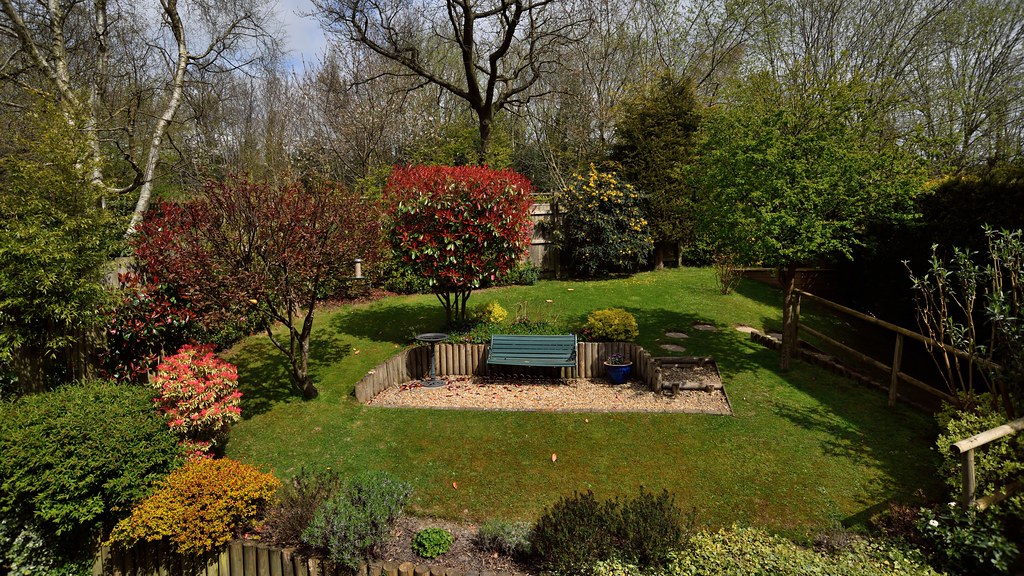
El Niño is back in the search trends across Australia tonight, which usually means a hotter-than-average summer, less rain than your tomatoes want, and a much higher fire-danger period from October onward. Here is what I would actually spend money on if I were prepping a garden right now — and a couple of things I would not bother with.
What an El Niño summer actually changes
El Niño is not a forecast for any one week. It is a Pacific Ocean pattern that, when active, tilts the odds in Australia toward drier-than-normal conditions through spring and summer, with hotter daytime maxes inland and a higher fire-weather index in the south-east. The Bureau of Meteorology calls it a tilted dice, not a sentence. Some El Niño years are unremarkable. The 2019-20 season was not.
What this means for a backyard: your soil dries faster, your lawn yellows earlier, and your fire risk is up if you are anywhere within a few kilometres of bushland. A drip irrigation kit and a good plan for shade matter more than they did last year.
It also means the rainwater tank you have been thinking about gets a faster payback. If your council allows above-ground tanks, a 2,000 to 5,000 litre slimline tank tucked along a side fence collects enough off a typical roof in one storm to water a vegetable bed for weeks.
What I’d buy first
Mulch is the single highest-leverage purchase. Bagged sugar cane mulch or a cubic metre of pine bark chips reduces soil evaporation by something like 30 to 50 percent depending on depth. Eight centimetres deep is the sweet spot — thinner and it dries out, thicker and water has trouble penetrating to the root zone.
Drip irrigation, second. A simple tap-timer drip system with a soaker hose running down each vegetable row will save more water than any amount of clever watering by hand. The reason: hand-watering wets the leaves, the path, and the surface. Drip wets the root zone. Plants get more, you use less.
Third, shade where the afternoon sun lives. A knitted shade cloth at 50 percent density over a vegetable bed lowers the air temperature by three to five degrees and stops zucchini and lettuce from bolting in a heatwave. You do not need a permanent structure — four star pickets and some bungee cords get you through one summer.
Fourth, a moisture meter under five dollars. Most people overwater or underwater because they are guessing. A cheap meter takes the guessing out, especially in the first month after planting when roots are shallow.
Plants that handle an El Niño summer
For a vegetable bed: tomatoes survive if you mulch and drip-water, but cherry varieties handle heat better than beefsteak. Capsicum and eggplant love it. Zucchini and cucumbers need more water than people expect — plan for those to be the thirstiest. Skip lettuce after early October unless you have shade cloth — it bolts in a heatwave and you will be eating bitter leaves.
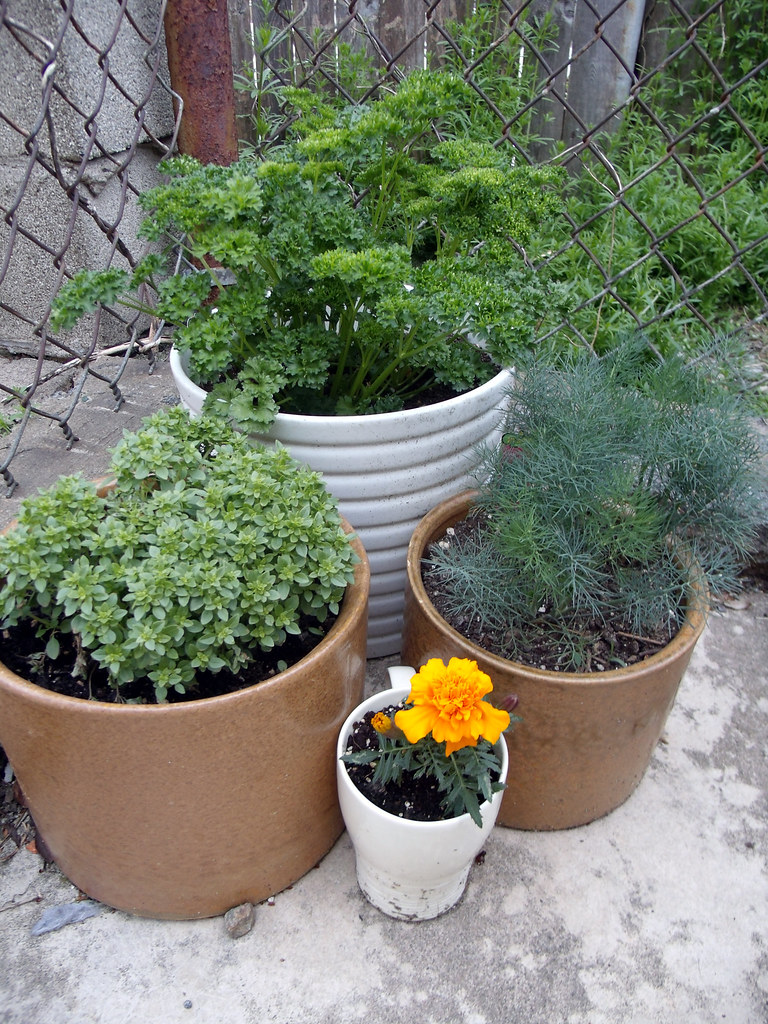
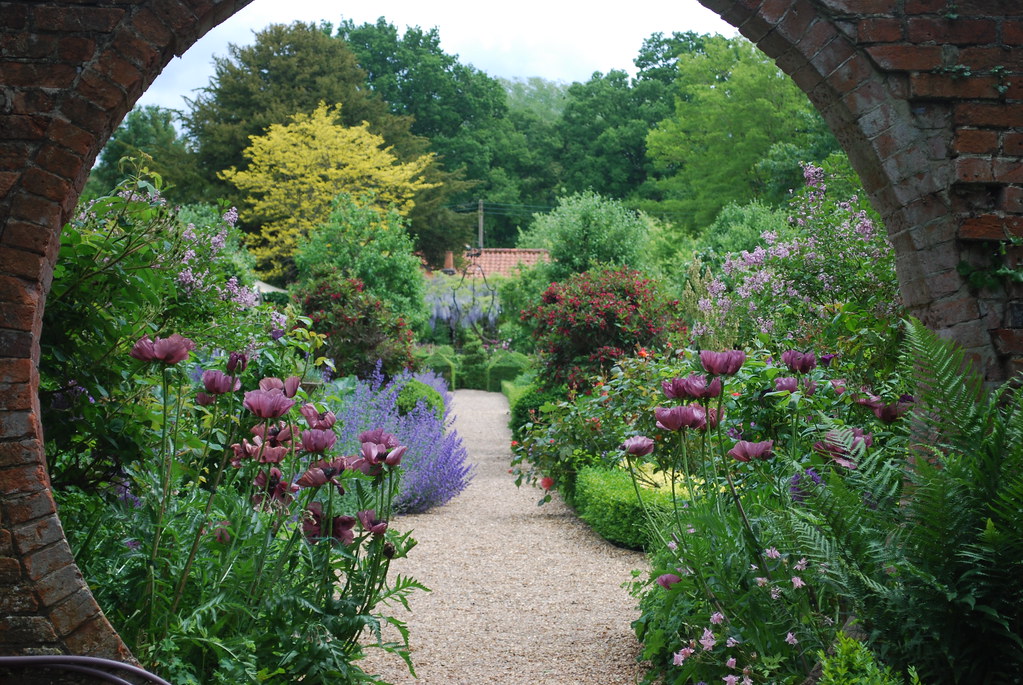
For ornamentals: native grevillea and kangaroo paw are the obvious wins. Less obvious is lavender (any of the Mediterranean varieties) which actually prefers a dry summer. So does rosemary and thyme — your kitchen herb patch is one of the few parts of the garden that thrives when neglected during an El Niño year.
What I would not plant this season: hydrangeas (they need a steady drink), most ferns, and any new lawn. If your existing lawn is patchy, top-dress with compost rather than re-seeding. A new lawn in October will not establish before the first 35-degree day, and you will lose the investment.
Fire-prep that does not require a contractor
If you are in a bushfire-prone area, the most boring and most effective work is gutter cleaning. A telescopic gutter scoop or a leaf blower with a gutter attachment is about two hours of work in spring and the single biggest reduction in ember-attack risk. Eaves with dry leaves catch embers; clean eaves usually do not.
Second, the five-metre zone around your house. Cut back any overhanging branches, move firewood at least ten metres from a wall, and clear dry grass with a cordless line trimmer. Embers travel kilometres ahead of a fire front. Removing the things that ignite within five metres of your home is the most cost-effective fire prep a homeowner can do.
Third, a basic fire pump kit for any property with a pool or rainwater tank. You do not need a commercial-grade system — a small petrol-powered transfer pump connected to a 30-metre fire hose is what most rural insurance brokers will tell you to buy. They are cheap insurance and they double as a useful tool for moving water around the garden during a normal week.
For broader summer-survival packing, see my 72-hour emergency kit guide — the same logic applies to a household sheltering in place during a code-red day.
What I would skip
I would skip expensive soil polymer or water-retaining gel crystals for a typical home garden. They work in controlled conditions and they are oversold for the price. Mulch does ninety percent of the same job for a fraction of the cost.
I would skip misting fans for outdoor patios. They are great in dry air for short bursts and terrible value over a whole summer. Put the money toward shade cloth and a ceiling-mounted outdoor fan under your eaves. The fan moves air, which is what makes you cool.
I would skip any premium turf seed that claims drought tolerance. There is no seed that lets you establish a new lawn during the first hot months of an El Niño. The biology does not change because the marketing says it does.
What to do this weekend
Walk the garden once with a notepad. Note where the afternoon sun hits hardest, which beds dry first, where the gutters are full, and where the lawn is already yellow. Buy mulch for two of those beds. Set up a single drip line and a tap timer for the most-used bed. Clean one gutter run.
That is it. The mistake people make in El Niño years is treating it as a full landscape redesign. It is not. It is a few small high-leverage moves done early — before the first 35-degree week — that change how your garden performs for the rest of the season.
For the indoor side of things, an indoor herb garden in a north-facing window does well in summer when outdoor heat stresses the same herbs. I covered the first six weeks of setting one up in my indoor herb garden notes — worth a look if you want fresh basil through January without losing a plant a week to the heat outside.
Ready to shop? Compare Home & Garden across stores → 📚 Or browse home & garden guides in Digital Goods →