
A 72-hour emergency kit for outdoor enthusiasts exceeding 5,000 square feet
For an outdoor enthusiast with a 5,000+ square foot property, a 72-hour emergency kit isn't just a few essentials in a bag. It's a system that keeps you self-sufficient when grid power fails for three days, when the well pump stops, when the wildfire smoke makes the next county evacuate to your driveway. Here's what I'd actually build, after three rural outages between 2021 and 2024.
Who actually needs this
Suburban household with a 1,500 sq ft footprint and reliable city water? You don't need this. A Jackery 1000 and a stocked pantry covers your worst case.
If you live on a property big enough that emergency services take 45+ minutes to reach you, or you're on well water, or you've ever had a multi-day grid outage, the math changes. The realistic scenarios:
- A severe storm takes out power and a downed tree blocks the driveway
- Wildfire approaches and you need to defend the property or evacuate
- A serious injury 30 minutes from the nearest urgent care
- Wells pumps fail mid-summer, taking 72 hours to repair
A well-built kit covers all four with mostly the same gear.
What actually matters
Water. One gallon per person per day for drinking, cooking, hygiene — that's the FEMA number and it's honest. For a four-person household, that's 12 gallons for three days. Store in 7-gallon Aqua-Pak containers in the basement. Plus a LifeStraw Family filter ($75) if you have a creek or pond on the property — that's 4,750 gallons of additional capacity from a stream once your stored water runs out.
Food. Non-perishable, high-calorie. Canned goods, peanut butter, energy bars, instant rice. A manual OXO can opener (cordless), a Coleman 2-burner propane stove, and 3-4 spare propane canisters. Skip the freeze-dried bucket "30-day kits" — the per-calorie cost is brutal and most of what's in there is rice you could have stored cheaper.
First aid. A real trauma kit, not the dollar-store one. MFASCO trauma kit has a tourniquet, pressure bandages, decompression needle (if you know how to use it), plus the boring stuff. Add 14 days of any prescription medication in original packaging. If anyone in the house has a real cardiac history, a home AED is the difference between life and death — the Philips HeartStart Home AED runs $1,500 and pays back the first time it's used.
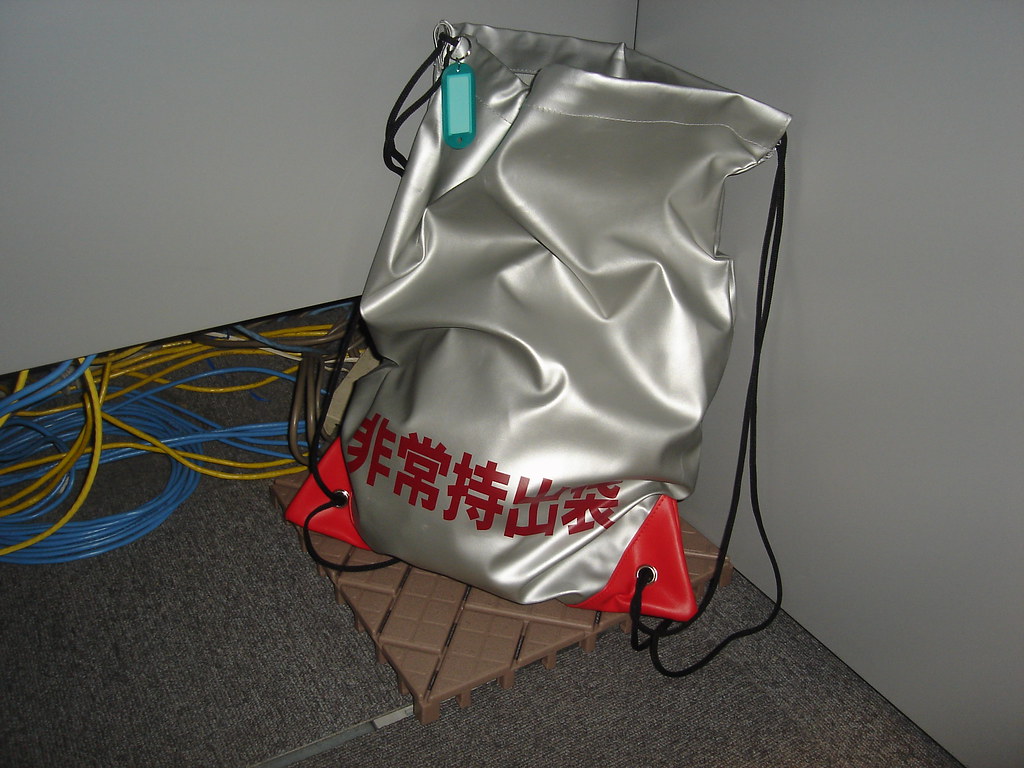
Lighting. Three layers. A Goal Zero Lighthouse 600 for room-level light. Petzl Actik headlamps (one per person) for hands-free. A Streamlight Stinger for outside work.
Communication. A Midland GXT1000 two-way radio pair (5+ mile range) for property-wide communication when cell towers are down. A Midland ER310 weather radio for NOAA broadcasts. A satellite messenger like the Garmin inReach Mini 2 ($400) if you're really remote — it works when nothing else does.
Specific picks for the budget tiers
$500 build: Aqua-Pak containers x4, two cases of bottled water, Coleman propane stove, propane x3, MFASCO first aid, Petzl headlamps x4, Streamlight, Midland radio pair, food for 72 hours. Covers a normal grid outage with comfort.
$1,500 build: All of the above, plus a Jackery 1000 power station with two 100W solar panels, the Garmin inReach Mini, a 30-day food supply, and a LifeStraw Family. Covers most realistic 5-day scenarios.
$4,000+ build: All of the above, plus a hardwired standby generator (Generac or Kohler) with a propane connection and automatic transfer switch. Covers indefinitely-long outages with full house power.
Common mistakes
Buying the pre-packed "72-hour kit in a bucket." Almost everything inside is the cheapest version of itself. The flashlight runs on the wrong batteries. The food is two years old when you buy it. Build the kit piece by piece — you'll spend the same money on twice the quality.
Storing water in old milk jugs. The plastic doesn't seal properly long-term and bacteria grow. Use food-grade water storage containers.
Skipping pet supplies. Three days of pet food, a leash, a copy of vaccination records, a pet first-aid kit. Vets in disaster zones get overwhelmed fast.
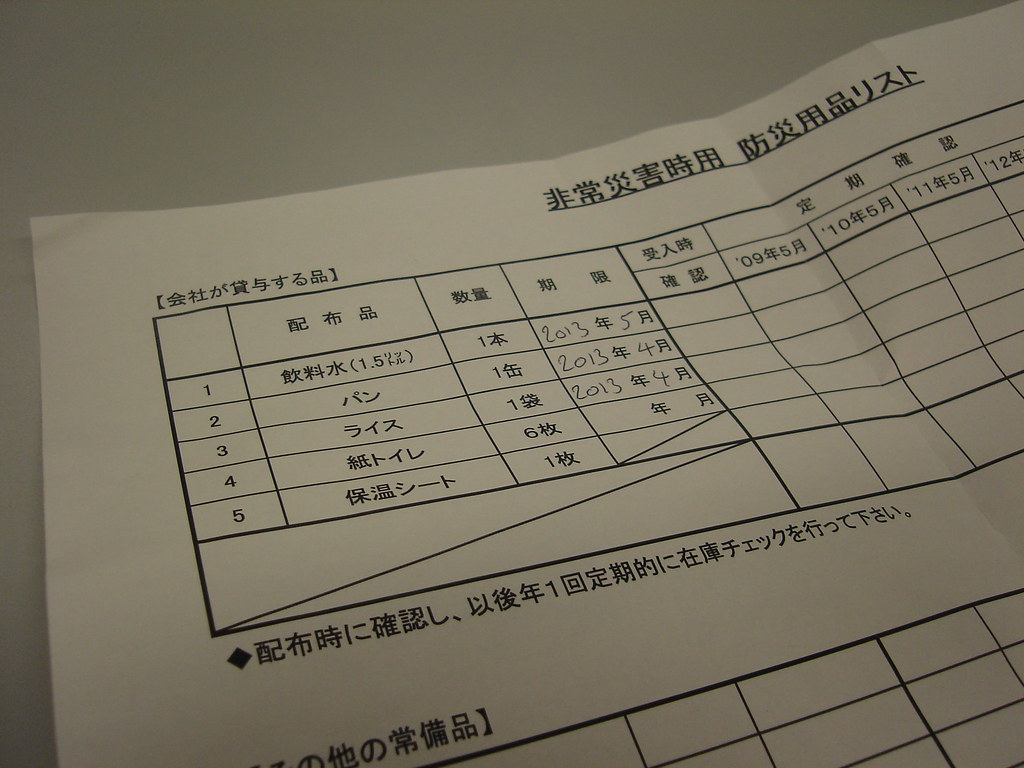
Never opening the kit. Test the stove. Charge the radios. Rotate the food and water annually. A kit that sits untouched for five years contains expired everything when you finally need it.
For the broader home-power picture, see my power outage prep guide. The 72-hour kit is the floor — if you're on 5,000+ sq ft, you should also be thinking about the standby generator question.
Ready to shop? Compare Survival & Outdoor across stores →