

Blue light glasses for screen workers — do they actually help?
I spent six months testing blue light glasses because I was tired of arguing with my optometrist about them. Honest answer: they work for one specific thing and fail at everything else the marketing promises.
The science is mixed. The marketing is not. Here's what actually happened when I used them consistently and what's worth paying for.
What they actually do
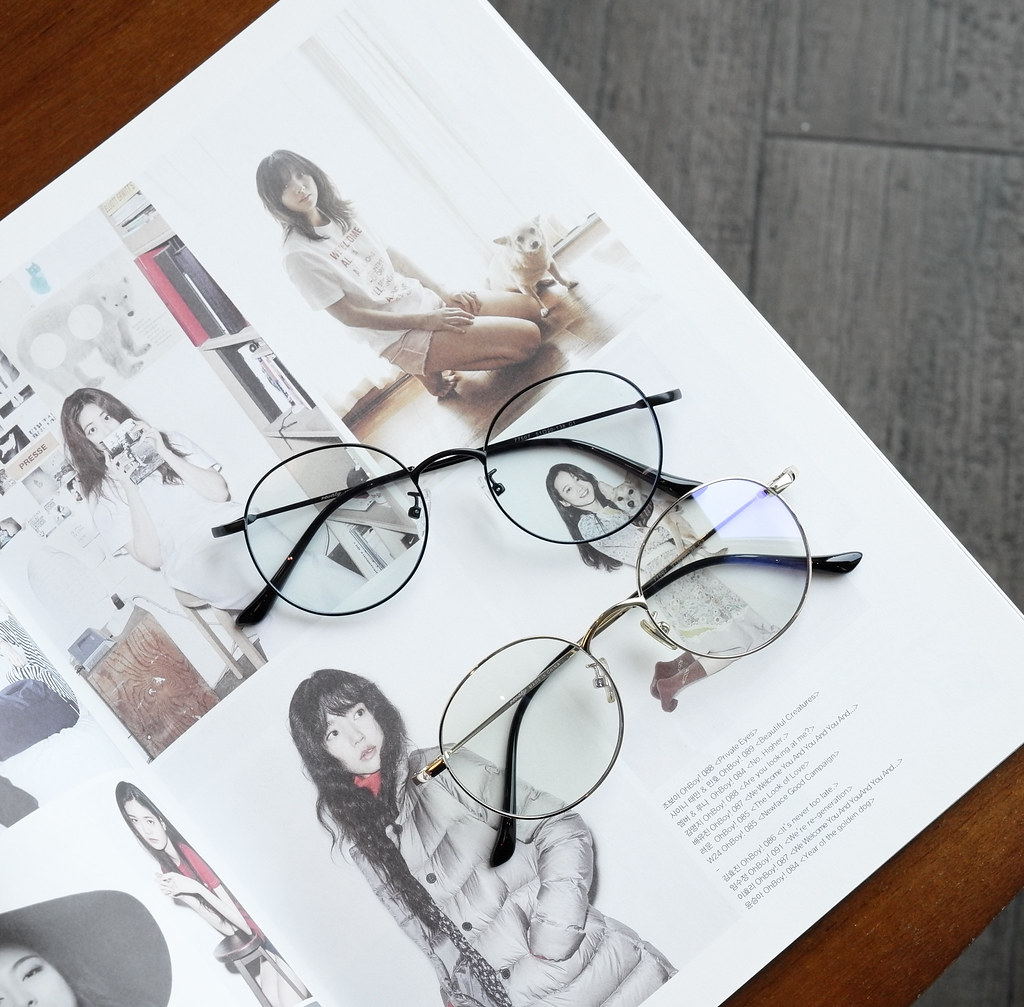
Blue light glasses filter higher-energy blue wavelengths from screens. The strongest claim — that they prevent eye damage — has no meaningful research support. The weaker claim — that they reduce eye strain and help with sleep when worn in the evening — has some. That's the honest version of the science. A blue light blocking glasses specifically engineered for evening use is a different product than typical clear daytime "computer glasses."
For eye strain during work hours
I tried a $20 pair from Gunnar Optiks for two months. Marginal difference at best. My eyes still got tired around 3pm. The bigger fix turned out to be taking a real break every 90 minutes and looking at something 20+ feet away for 20 seconds. A desk timer is the simplest way to enforce those breaks reliably. The glasses didn't replace that habit — nothing does.
For sleep — this part is real
Wearing amber-tinted blue light glasses in the two hours before bed seemed to genuinely help me fall asleep faster. Anecdotal, but consistent over eight weeks. The amber tint blocks far more blue wavelengths than the clear "computer glasses" — and that difference matters specifically for evening use.
What actually matters: the tint depth
Cheap clear-lens blue light glasses ($15-25) block maybe 20% of blue light. They're mostly placebo. A quality screen privacy filter also reduces glare at the same time. Amber blue light glasses block 60-99% depending on tint depth. The deeper the amber, the better for sleep — but the worse they look during the day, which is a real trade-off.
What I'd actually buy
For evening use: Swanwick Sleep glasses (around $80) — deep amber, designed specifically for the 2-3 hours before bed and worth the price if sleep is the goal. For daytime: a matte screen protector for your monitor is more effective than any clear-lens glasses and costs less.
The thing nobody mentions
Most modern monitors have a built-in night mode — Windows Night Light, macOS Night Shift — that does the same thing as blue light glasses, for free. If you want hardware control, an external monitor filter panel clips on and works across any OS. Enable it at sunset. You may not need to buy anything at all. For sleep: amber glasses two hours before bed work. For daytime work: monitor settings and breaks beat any glasses you can buy.
Ready to shop? Compare Health & Wellness across stores → 📚 Or browse health & wellness programs in Digital Goods →