
Supplement Industry Red Flags: How to Spot a Bad Product

I've spent more money on supplements than I want to admit, and a decent chunk of it was wasted on products that either did nothing, had ingredient lists that didn't match what was advertised, or were outright pushing claims that the science didn't support. The supplement industry isn't regulated like pharmaceuticals, and that gap shows up in some specific and learnable ways.
The proprietary blend problem
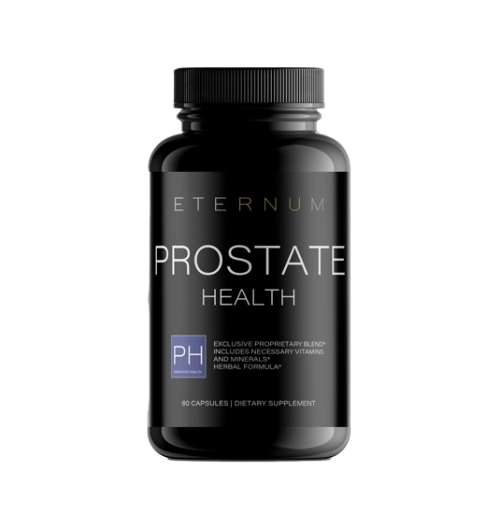
The single biggest red flag I've learned to look for is the "proprietary blend" on a supplement label. This means the manufacturer lists several active ingredients together under one umbrella term without specifying how much of each is actually in the product. The legal justification is trade secret protection. The practical effect is that a product can list an ingredient that has real supporting research — say, a specific herb with some evidence behind it — at a trivially small dose, while the bulk of the formula is something cheap. You have no way to know.
A legitimate product tells you exactly what's in it and in what amounts. When I'm evaluating a multivitamin now, I look for products where every ingredient has its dose listed separately. If the label hides behind a blend, I move on.
Understanding FDA approval — and what it doesn't mean
Supplement marketing frequently mentions FDA approval in a way designed to sound more authoritative than it actually is. In the US, the FDA does not approve dietary supplements before they go to market the way it does pharmaceuticals. Individual ingredients can be GRAS (generally recognized as safe), but that's different from the blend as a whole being evaluated and approved. Seeing "manufactured in an FDA-registered facility" on a label tells you very little about whether the product itself does anything.
Third-party testing certifications are genuinely more useful. Organizations like USP, NSF, and Informed Sport actually test products against their labels. A protein powder with an NSF certification has at least been independently verified to contain what it claims to contain. That's a meaningful bar, even if it doesn't confirm efficacy.

The energizing supplement trap
Stimulant-based supplements are a category that gets misrepresented particularly often. The mechanism is real — caffeine, certain B vitamins, adaptogens like ginseng — they can produce a noticeable short-term effect. What the marketing underplays is that the effect is temporary, often followed by a return to baseline or below, and that the underlying issue (sleep deprivation, poor diet, chronic stress) hasn't been addressed.
I spent six months rotating through energy supplements trying to fix afternoon fatigue that turned out to be caused by going to bed too late and eating too little protein at lunch. The supplements produced a couple of hours of better focus and then made me feel worse. The actual fix was boring and free: more sleep and a bigger meal. Supplements can genuinely help as a support layer on top of working basics — they're poor substitutes for the basics themselves.
Scam indicators beyond proprietary blends
A few other patterns worth knowing: before-and-after testimonials are easy to fabricate and essentially meaningless as evidence. Extremely long ingredient lists — especially ones full of plant names — are often a signal that the manufacturer is hoping you'll assume more ingredients equals more efficacy. They usually don't; they often mean smaller doses of everything.
Products that are pushed by the practitioner you're paying to see should trigger some skepticism. Financial arrangements between supplement companies and the people recommending their products are common and not always disclosed. There's nothing wrong with a probiotic supplement recommended by a dietitian, but it's worth asking whether there's an affiliation before assuming the recommendation is purely clinical.

What I'd skip
I'd skip anything with an "as seen on TV" association, anything claiming to burn fat while you sleep, and anything using celebrity endorsement as the primary credibility signal. I'd also skip the instinct to take a lot of supplements at once — stacking makes it impossible to know what's actually doing anything, and some combinations have real interaction risks, especially if you're on prescription medication.
The products with the most consistent evidence tend to be unsexy: vitamin D for people who are deficient (which is a lot of people), omega-3 fish oil for people who eat little to no fish, and basic magnesium supplements for sleep issues if diet isn't covering it. These aren't exciting, but they have actual research behind them and are unlikely to be a waste of money if you have a real gap. Everything else I'd verify specifically before buying rather than assuming good faith from marketing.
Ready to shop? Compare Health & Wellness across stores → 📚 Or browse health & wellness programs in Digital Goods →