

What to Look for When Buying Supplements — Red Flags Included

The supplement industry does about $170 billion in global annual sales. A meaningful fraction of that is products that are either inert or misleadingly marketed, and the regulatory environment in most countries does very little to correct this before products reach shelves. I spent a couple of years buying supplements based on marketing, then spent another couple of years actually researching what I'd been taking. The experience was humbling. Most of what I'd bought was fine in a neutral way — it just wasn't doing what the packaging implied it would do.
How supplement regulation actually works (and doesn't)
In the United States, the FDA regulates dietary supplements differently from pharmaceuticals. Manufacturers don't need to prove efficacy before selling. They need to ensure their product is safe and accurately labeled, but "safe" has a high bar to clear and enforcement is largely reactive — problems get addressed after they're reported, not before. An ingredient being "FDA approved" on a supplement label often means the individual ingredient is on an approved list, not that the specific formulation has been tested or approved.
Third-party testing organizations like NSF International, USP, and ConsumerLab do independent testing and certification. A supplement displaying one of those seals has been tested for what it claims to contain and at what doses. That's a meaningful distinction from an untested product. vitamin D supplements from major manufacturers with third-party certification are a safer bet than equivalent products without any independent verification.
The proprietary blend problem
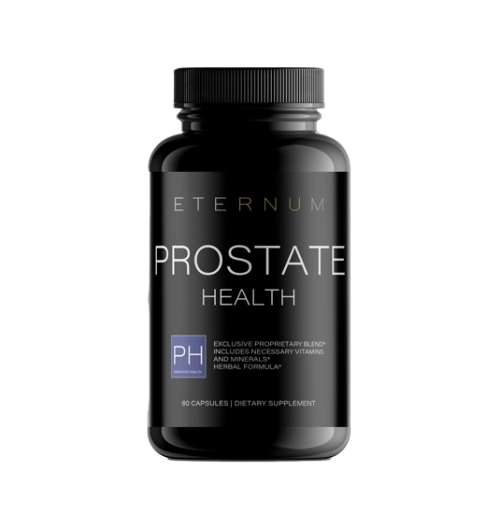
Many supplements list a "proprietary blend" instead of specifying the amount of each ingredient. The rationale is protecting trade secrets, but the practical effect is that you don't know whether the dose of any specific ingredient is high enough to have the claimed effect. A blend could contain ten ingredients each at amounts so small they contribute nothing individually. The impressive-looking ingredient list is a marketing feature, not evidence of efficacy.
When evaluating a omega-3 fish oil supplement or a magnesium supplement, look for products that disclose the specific amount of each active ingredient. Compare those amounts against doses used in the clinical research — which you can find by looking up the ingredient on PubMed or through academic health resources. If the dose in the product is substantially below what studies show to be effective, the product isn't going to produce the result it implies.

Ingredients that sometimes aren't what they claim
Supplement ingredient fraud is more common than most people realize. Products have been found to contain prescription drug compounds not listed on the label, stimulants, or substituted botanical species. This is particularly a problem in categories like weight loss supplements, sexual performance supplements, and pre-workouts — categories where buyers want dramatic results and are less likely to scrutinize the label. The FDA maintains a database of supplements with undisclosed ingredients; it's worth checking before buying anything in these categories.
Counterfeit products sold through third-party marketplaces are a separate issue. Major brands sold through unauthorized sellers have been found to be diluted or substituted. Buying directly from manufacturers or authorized retailers reduces but doesn't eliminate this risk.
Interactions and contraindications
Herbal supplements in particular can interact with medications in clinically meaningful ways. St. John's Wort affects the metabolism of many drugs, including contraceptives and anticoagulants. Grapefruit and various herbal extracts affect liver enzymes that process common medications. For anyone on prescription medication, running new supplements past a pharmacist or physician is straightforward and potentially important. Pharmacists are often more up-to-date on interaction data than general practitioners, and the conversation takes five minutes.
Pregnant women and people with chronic conditions are in a category where caution matters more. prenatal vitamins are the established standard for pregnancy because they've been studied specifically in that population. Other supplements may have effects in pregnancy that simply haven't been studied and where caution is warranted.

What I'd skip
I'd skip any supplement that has a celebrity endorsement as its primary credibility signal. Celebrity involvement tells you about marketing budget, not product quality. I'd also skip anything making a specific disease claim on the label — the FDA prohibits disease claims on supplements, so any that appear are technically illegal and a sign the manufacturer is operating outside regulatory guidelines.
The honest bottom line: the supplement industry has useful products in it, but finding them requires looking past the marketing. Third-party certification, disclosed ingredient amounts, and cross-referencing with published research are the three tools that separate useful products from expensive placebos.
Ready to shop? Compare Health & Wellness across stores → 📚 Or browse health & wellness programs in Digital Goods →