


What to Pack for an Alaska Fishing Lodge Trip

The first time I packed for an Alaska fishing lodge I brought too much of the wrong things and not enough of the right ones. I had four dress shirts I never touched and only one rain jacket that was nowhere near waterproof enough. If you are heading to a lodge in Alaska — especially for the salmon run in June or July — this is the gear list I wish someone had handed me before I got on the plane.
Clothing: Layer Everything, Trust Nothing
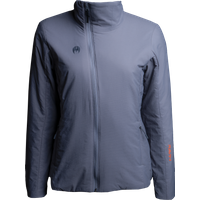
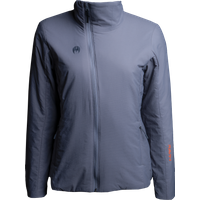
Alaska weather can drop 25 degrees between breakfast and dinner, and the river does not care about your comfort. The base layer is your foundation — merino wool or a moisture-wicking synthetic, never cotton. Over that goes a mid-weight fleece or softshell jacket. The outer shell needs to be genuinely waterproof, not just water-resistant. You will be standing in knee-deep current or leaning over the side of a boat in rain that comes sideways, so a real waterproof jacket is non-negotiable. Bring two pairs of gloves — fishing gloves that let you handle line without full-finger coverage, and a warmer pair for the boat rides before you start casting. A lightweight buff or neck gaiter earns its weight every single morning. For waders, call the lodge ahead of time. Most Alaska lodges supply waders in a range of sizes because guests inevitably misjudge the cold. If you bring your own, breathable waders with built-in wading boots are the right call — neoprene is overkill in summer but too stiff for long days on your feet.Rods and Reels: Match the Water, Not Your Ego
Alaska lodges typically fish multiple species across the same week — kings, silvers, sockeye, and often rainbow trout or grayling in the evening. A single fishing rod setup will not cover that range. If the lodge does not supply rods (most do for guests), bring two: a medium-heavy 9-foot spinning rod for salmon in current and a lighter 7-foot medium rod for trout. Pair each with a quality spinning reel that has a smooth drag system. Salmon, especially kings averaging 30-plus pounds, will test a cheap drag until it screams and fails. Bring at least 200 yards of 20-pound monofilament fishing line on the heavier setup, and do not skip the 10–15 pound fluorocarbon leader. Clear water means fish can see your mainline. Pack extra leader material because you will lose terminal tackle on the rocks regularly.Terminal Tackle and Lures
Lodges stock bait but running out of the right hooks mid-day on a remote river is genuinely miserable. Bring a compact tackle box loaded with the basics: a selection of egg hooks in sizes 2 through 1/0, a handful of swivels, split shot in multiple sizes, and a few inline spinners in silver and chartreuse for coho. For kings specifically, you want large Kwikfish or plug baits in fluorescent pink or orange — the lodge guides will tell you exactly what is working that week, but having your own backup supply matters when the store is 60 miles away. Bring a fishing net with a rubberized mesh if you practice catch-and-release on trout. Standard knotted nets tear fins. A quality net also helps lodge staff release fish quickly when you want a photo and a clean release.What I'd Skip
Do not bring expensive polarized sunglasses you are afraid to lose — bring mid-range ones and pack a backup. Do not bring waders if the lodge supplies them unless you have custom-fit orthotics you need in the boots. Do not pack more than a carry-on worth of clothing; lodge laundry facilities exist and you will wear the same five items all week regardless. **Bottom line:** The lodge provides the fish and the guides. Your job is to stay warm, dry, and rigged. Focus the budget on your layering system and a solid rod-reel combo — everything else is secondary. Ready to shop? Compare Outdoors & Recreation across stores →📢 Affiliate Disclosure: This article contains affiliate links. We may earn a small commission at no extra cost to you when you click through and purchase.