

Fishing Line Types: Mono, Braid, Fused, and Fluorocarbon
I've lost more fish to the wrong line than to any other single mistake. Not a snapped rod, not a bad knot — just the wrong spool for the day. Line is the cheapest thing in your kit and the one most worth getting right.
Whether you're fishing a quiet river or the open sea, the constants are patience and the willingness to make a clean catch when the moment comes. But cheap, poor-quality, or simply wrong line undermines all of it — tangles, abrasion, and lost fish follow. There are four main types on the market: monofilament, braided, fused, and fluorocarbon. Each has a real personality, and matching it to your fishing is half the battle.
Monofilament: the popular all-rounder
Monofilament is the most popular of the four, and for good reason — it's been around forever and it handles a wide range of conditions without complaint. It's forgiving, it knots easily, and it's cheap enough to re-spool often. For most beginners, mono on the fishing reel is the right place to start.
Its one real weakness is memory. Stored on a spool for a while, mono tends to hold that coiled shape, and those coils hurt your casting and your bite detection. My rule: if you don't fish often, buy shorter lengths and change the line every time you head out. Fresh mono casts and behaves so much better than tired mono that it's worth the small cost. Pair it with the right fishing rod and you've got a setup that's hard to fault for general fishing.
Braided line: strength with sharp edges
Braided line is the strongest of the four. It doesn't stretch, so hooksets are crisp and you feel everything, and its woven build actually makes it float and easy to see — handy for tracking your line on the surface. For heavy cover and big fish, braid is a genuine weapon.
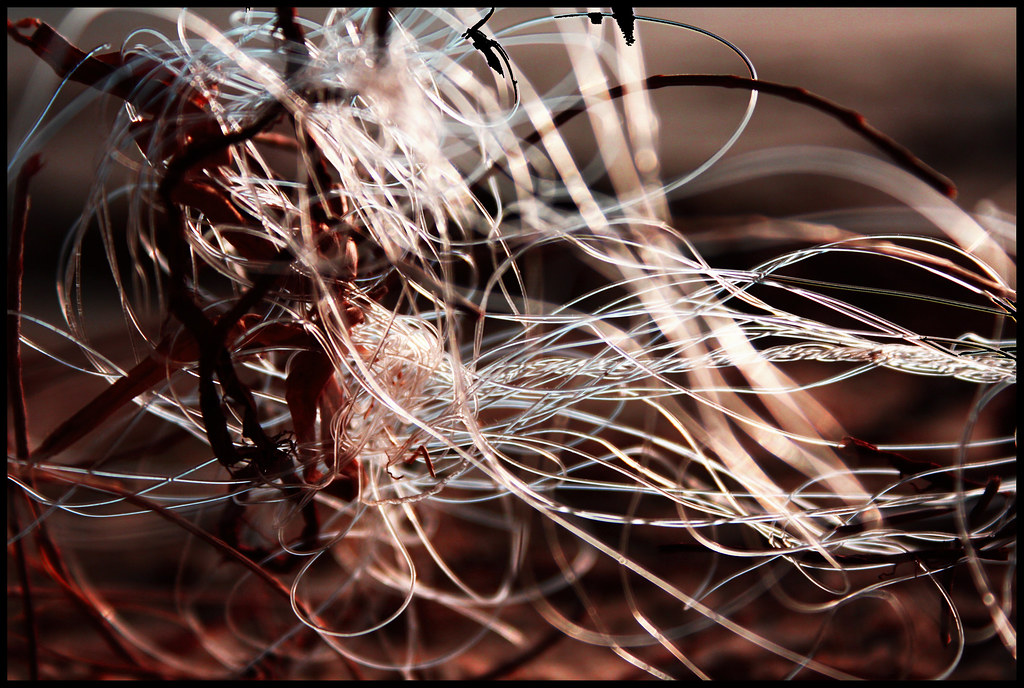
But that same strength is the catch. Braid causes abrasion on whatever it touches — your hands, the fishing rod guides, the line guide on your reel. You need the right hardware around it: braid-rated guides and something sharp to cut it, because it won't snap by hand. Respect what it can do to your gear and your fingers, and it'll serve you well; ignore it and you'll wear out tackle fast.
Fused line: braid's close cousin
Fused line is essentially braid made a different way. Instead of being woven, the fibers are glued together with a coating applied over the top. The result shares most of braid's traits — and most of its quirks. It's tough to cut without a sharp knife or scissors, it can slide around a bit on the spool, and it's visible enough to the fish to make some catches harder.
I treat fused the way I treat braid: great for strength applications, but carry good cutters and be mindful of spool slip. If you like braid's no-stretch power but want to try an alternative, fused is worth a spool. Just spool it carefully so it doesn't shift under load, and keep your fishing lures tied on with knots that suit a slick line.
Fluorocarbon: the invisible option
Fluorocarbon is getting more popular every season, and the reason is simple — fish struggle to see it underwater. That near-invisibility makes it deadly in clear water and on spooky, pressured fish that shy away from anything they can detect. When the bite is tough and the water is gin-clear, fluoro often makes the difference.

I lean on fluorocarbon as a leader even when my main line is something else, precisely for that stealth at the business end. If the fish are finicky and you suspect they're seeing your line, switching to fluoro is one of the highest-percentage changes you can make. It pairs naturally with finesse fishing tackle and subtle presentations.
Choosing for the day
There's no single best line — there's the best line for what you're doing. Mono for easy, all-purpose fishing and beginners. Braid or fused when you need raw strength and a no-stretch hookset. Fluorocarbon when the water's clear and the fish are wary. The smart move is to keep a few spools and match the fishing line to the conditions, the same way you'd match your fishing gear to the target.
Get that one decision right and everything downstream — your casts, your bite detection, your landed fish — improves at once. Line is small and cheap. Treat it as the difference-maker it actually is.
Ready to shop? Compare fishing line across stores →