

Hawaii Offshore Fishing: The Honest Charter Experience

I booked a four-hour shared charter out of Kailua-Kona on the Big Island expecting a fishing experience. What I got was mostly time watching other people fish while feeling increasingly seasick and intermittently squinting at the horizon hoping for action. There were fish caught. They were not mine. I learned more from that trip about how to book a charter than I did about fishing.
Island Selection Changes Everything
The most underappreciated factor in Hawaii fishing is that the islands are volcanic mountains that drop sharply to deep water. On the Big Island and Maui, deep water — 300 to 1,000 feet — is sometimes less than a mile offshore. This means shorter runs to blue water and more fishing time, particularly on short charters. Oahu has deep water accessible too but more boat traffic and a larger charter market with wider quality variation. If your primary goal is blue-water fishing for mahi-mahi, ono, or marlin, the Big Island and Maui are generally better options for the time investment.
Shared vs Private Charters
Shared charters exist because they're cheaper — you split the cost with strangers. The economics work, but the fishing experience often doesn't. On a shared half-day boat with six people, you might fish for twenty minutes out of four hours. The captain is managing multiple clients, and the angler who's most aggressive about grabbing a rod when a fish strikes will be the one who actually catches it. If you care about your own hands-on time with a fish, private charter is the answer. It costs significantly more, but the experience difference is proportional.

For shorter trips, half-day private charters (4 hours) produce real fishing in Hawaii because of the short runs to productive water. Full-day charters open up offshore canyon edges and structure that holds larger pelagics. Ask the captain specifically what the run time is to productive water before booking — some operations waste an hour just getting out and back.
What to Bring
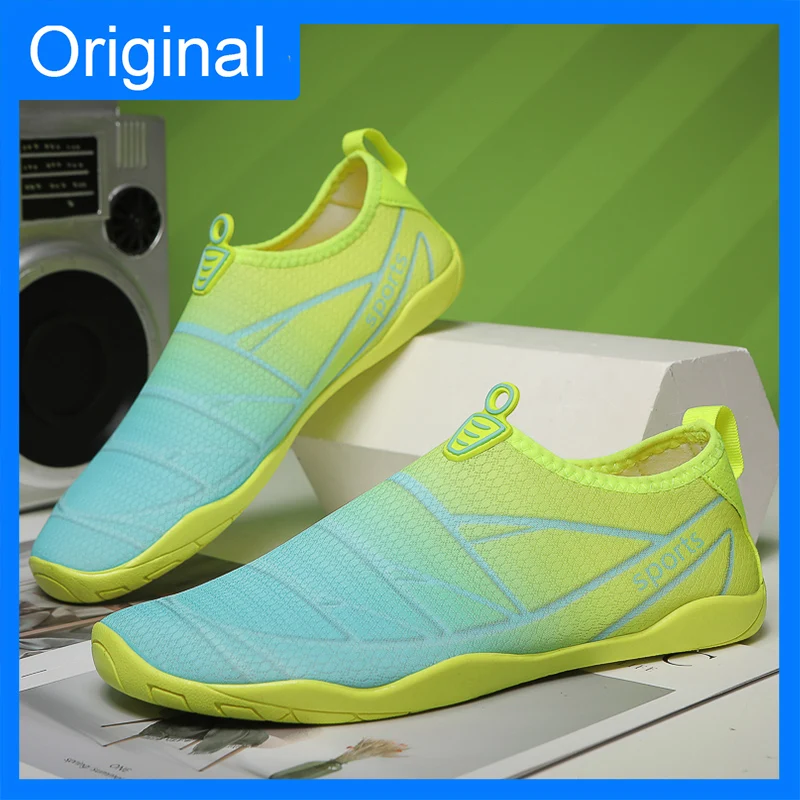
Most charters provide tackle and bait. What they don't provide is physical comfort. Motion sickness medication taken the night before and morning of the trip makes a genuine difference for people susceptible to it — take it before you feel symptoms, not after. polarized fishing sunglasses cut the surface glare that causes eye fatigue over a full day. waterproof sunscreen at SPF 50 goes on before you board. Bring closed-toe boat shoes — bare feet on a wet deck with active fish and hooks is a real injury risk that the booking page won't mention.

What I'd Skip
I'd skip any charter that can't tell you specifically what species are being caught right now and where they're finding them. Vague answers about "great fishing year-round" are not a good sign. Active charters know what the current bite looks like because they were on the water last week. That information should come easily in a brief conversation before you book. A good captain is already excited to tell you what's happening — you don't have to drag it out of them.
Ready to shop? Compare Outdoors & Recreation across stores →