

The History of Bass Fishing and Why It Took Over America

Ask a hundred American anglers what they chase and most will say bass before they finish the sentence. It wasn't always that way. Bass fishing's rise from a way to put food on the table to a sport that out-draws tennis and golf is a genuinely good story.
I love bass fishing partly for the fishing and partly for the history baked into every cast. The gear in your hands, the line on your reel, the very lakes you fish, a surprising amount of it traces back to specific people and specific moments. Knowing where it came from makes you fish a little smarter and appreciate it a lot more.
It started as dinner, not sport
Bass fishing most likely began in the American South as a practical search for food, not recreation. People in the late 18th century weren't chasing a trophy and releasing it; they were feeding their families. That utilitarian root is worth remembering, because it explains why bass tackle evolved toward effectiveness and durability long before anyone worried about it being elegant.
From those humble beginnings the sport spread far beyond the South. Today you'll find dedicated bass anglers across the United States, Europe, and as far afield as Australia, Cuba, and South Africa. What started as a regional way to eat became a global pursuit, and the gear came along for the ride. A modern tackle box is a museum of two and a half centuries of refinement.
The gear timeline that built the sport
A few milestones did the heavy lifting. Around 1768 to 1770, Onesimus Ustonson introduced multiplying reels to the fishing world, the ancestor of the baitcaster that bass anglers swear by today. In 1897, William Shakespeare Jr. patented a level-wind device that solved the maddening problem of line piling up unevenly on the spool. In 1915, the William J. Jamison Company put out the ornate Shannon Twin Spinner, which got refined over the years into the spinnerbaits filling every serious angler's tackle box now.

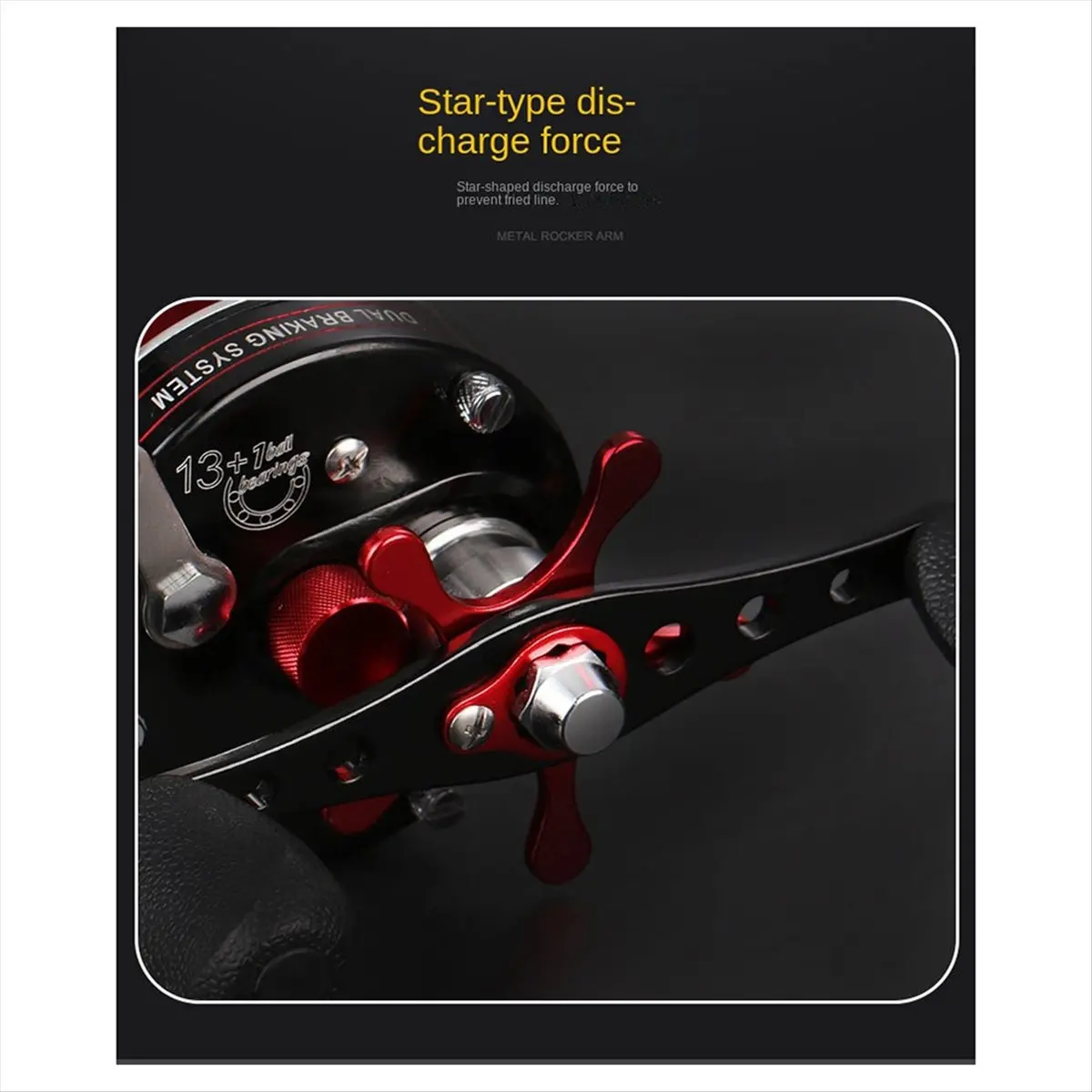
Line mattered too. In 1937 DuPont patented a nylon fishing net, and that same nylon technology evolved into the monofilament fishing line that replaced older braided lines and changed casting forever. Every time you spool up a smooth, strong mono today, you're using the descendant of that patent. Pair it with a modern fishing reel and you're holding the cumulative result of a century of incremental tinkering.
Dams, oddly enough, mattered
Here's a piece most people don't connect: politics shaped the fishery. In 1932, the creation of the Tennessee Valley Authority sparked a wave of dam building across the region. Those dams created exactly the kind of large, stable impoundments where bass thrive, and they became nurseries for culturing different bass varieties. A huge chunk of the prime bass water Americans fish today exists because of infrastructure decisions made nearly a century ago.
It's a useful reminder that fishing isn't separate from the landscape, it's downstream of it, literally. When you launch a fishing rod onto a big reservoir, you're often fishing water that didn't exist before the dam, stocked with bass that were deliberately cultured to live there.
Know your bass
"Bass" covers several species, and the differences matter on the water. In North America the big three you'll hear about are largemouth (Micropterus salmoides), smallmouth (Micropterus dolomieu), and the Kentucky or spotted bass (Micropterus punctatus). Other Micropterus species get caught too, but the largemouth is the undisputed star, the fish most people picture and most tournaments target.

Worth noting: Australian bass are a different animal entirely from these North American species, even though they share a name and some features. If you fish abroad, don't assume your home tactics or your favorite fishing lures transfer one-to-one. Match your approach to the actual species in the water, not the label on the sign.
The boom that made it an industry
The 1950s were the real turning point. Bass fishing's popularity exploded, and that surge drove the development of everything modern anglers take for granted: purpose-built bass boats, better rods, refined reels for hauling and hoisting, and electronic gear for finding fish. The sport stopped being a guy with a cane pole and became a technology arms race in the best sense.
The money followed the passion. The bass fishing industry now contributes somewhere between 50 and 70 billion dollars to the US economy, and the audience keeps growing, pulling in more new participants than tennis or golf. In 1992, pro angler Larry Nixon crossed a million dollars in total career earnings from the sport, a marker of just how far it had come from those Southern anglers fishing for supper. Grab a spinning reel, pick a lake born from a TVA dam, and you're a small part of that whole long story.
Ready to shop? Compare fishing line across stores →