


Paintball-basics-first-time-guide

The first thing I noticed when I stepped onto a paintball field wasn't the gear, the adrenaline, or the nervousness — it was how seriously everyone took the safety briefing. That told me everything I needed to know about the sport before the first shot was fired.
What Paintball Actually Is (Not What Movies Make It Look Like)
Paintball is a team sport where players shoot gelatin-filled capsules at each other using compressed-air markers. When a capsule hits you and breaks, leaving a visible mark, you're eliminated. That's the core of it. Strip away the camouflage aesthetic and war-game branding, and what you've got is a fast, physical strategy game somewhere between chess and a relay race — with a sting if you get careless. The most common format you'll encounter at any rec field is capture the flag. Two teams, two bases, one flag per side. You're trying to grab the opponent's flag and carry it back to your base, while keeping your own flag from being taken. Sounds simple. It is not simple. Between the terrain, the cover, the communication, and the fact that everyone is actively trying to eliminate you, the mental load is surprisingly high. paintball marker quality matters more than most newcomers expect. A reliable marker fires consistently, doesn't jam mid-firefight, and gives you confidence in your shots. Renting one your first time is totally fine — you're there to learn, not impress — but the rental gear will make you appreciate having your own equipment faster than you think.The Rules That Actually Matter
Fields enforce a maximum velocity of 300 feet per second, full stop. Marshals chronograph markers before games and will pull you off the field if yours is running hot. Beyond velocity limits, the iron rule is this: your paintball mask stays on any time you're in a live zone. No exceptions. If your mask fogs up, you raise your hand, call yourself out, and walk to the dead zone before touching it. When you're hit, you signal clearly — hands up, marker pointed at the ground — and walk off the field. There's no "I don't think that counted" argument. Wiping a hit off your gear and pretending it didn't happen is the fastest way to get yourself ejected permanently. The integrity of the game depends entirely on players calling their own hits, and most fields take that very seriously. Surrendering an opponent — calling out "surrender!" when you're within close range instead of shooting — is common courtesy. At short distances, a direct hit at full velocity hurts significantly. Most players extend that courtesy and most players appreciate receiving it.Moving, Communicating, and Not Doing Dumb Things
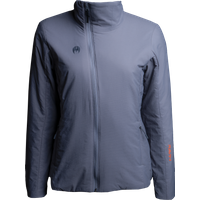
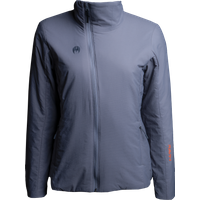
The biggest mistake first-timers make is hiding and waiting. Staying behind a bunker all game keeps you safe temporarily, but it doesn't help your team and it doesn't teach you anything. You have to move. When you move, you give your teammates covering shots so you can advance without being picked off. That back-and-forth — one person laying down suppressing fire while another rushes to better cover — is the fundamental unit of paintball teamwork. Call out what you see. If you spot an opponent's position, shout it to your teammates. Once you're spotted yourself, the game's up for you anyway, so the information is more valuable than silence. Good communication turns a disorganized group of individuals into a team that actually wins. Wear long sleeves and pants. Yes, you'll see people show up in shorts on a hot day. Yes, they regret it. A paintball jersey and some light paintball pants absorb impact and add a meaningful layer between your skin and a 280-fps shot at 20 feet.What I'd Skip
Skip renting cheap goggles that leave your ears and lower face exposed — rent a full paintball mask or bring your own. The ears take hits at surprising angles and unprotected ears on a paintball field are a bad time. Also skip any pre-game bravado about how little you'll feel hits. You'll feel them. It's a brief sting and it fades quickly, but going in expecting nothing makes it jarring.Bottom Line
Paintball is more accessible than most people assume. You don't need to be fast, strong, or a tactical genius to enjoy your first day. You need decent protective gear, the willingness to communicate with your team, and the honesty to call your own hits. Almost everyone I've talked to after their first game says the same thing: they were surprised by how fun it was, and they want to go back. There's a reason the sport keeps growing — the combination of physical movement, live strategy, and team play is genuinely hard to replicate anywhere else. Ready to shop? Compare Outdoors & Recreation across stores →📢 Affiliate Disclosure: This article contains affiliate links. We may earn a small commission at no extra cost to you when you click through and purchase.