

The Habits That Make Online Dating Tips Actually Work

There's no shortage of online dating advice. The problem is that most of it is written at a level of abstraction that makes it feel true without telling you what to actually do. Here's the behavioral version — the concrete habits that translate generic advice into something that actually changes your results.
Choosing the right platform before anything else
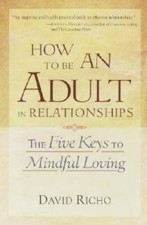
This is the step most people skip because they just download whatever their friends use. But the platform determines the population, and the population determines your experience. Spend thirty minutes reading honest reviews of the platforms with real user bases in your area before you create a profile. Look specifically for comments about the demographics in your age range and whether the active users seem to actually be looking for what you're looking for. This also means reading the privacy policy before you sign up. Not every word of it — but the key sections about data sharing and account deletion. You're about to give a company your photos, your personal details, and potentially years of conversation data. A online dating guide books worth reading will have a chapter on platform selection that covers this more systematically than any app's marketing does.Building a profile that does actual work
Write your bio in your actual voice, not in the voice of the person you think is most attractive. Include one or two specific things that are genuinely true about you — specific enough that someone could ask you a direct question about them. Use current photos (plural, different contexts, one clearly showing your face). Update them regularly, because stale photos are a trust problem the moment you meet someone in person. The goal of the profile is not to appeal to as many people as possible. It's to appeal specifically to the people who would genuinely be a good match for you. Optimizing for volume produces exactly the kind of shallow matches that make people hate online dating.Specific security habits, done consistently
Use a dedicated email address for dating. Keep early communication on the platform until you have a real sense of someone. Don't give out your home address or workplace until you're genuinely past the initial stranger phase. For first dates: public place, your own transportation, tell someone where you're going. Keep a personal safety keychain or safety app on your phone as a habit. The word "consistently" matters here. Security habits that you maintain until someone seems really nice, and then drop, aren't security habits. The whole point is that you can't tell from a profile or an exchange whether someone is trustworthy. That's what the first few in-person meetings are for.Writing messages that are about the other person
The single most useful change most people could make to their online dating results: write first messages that reference something specific in the other person's profile. Ask about it. Show genuine curiosity. Not a compliment about their appearance — something about their life, their interests, what they wrote. This is not difficult and it's not particularly time-consuming. It just requires actually reading the profile rather than looking at photos and deciding to message. The quality of the resulting conversation is substantially different, and that quality translates to better dates.What I'd skip
I'd skip paid features on a platform before you've evaluated the free tier. I'd skip the idea that being on more platforms simultaneously improves outcomes — it usually just spreads your attention thin. I'd skip the cynical mode that sets in when you've had a few bad experiences and you start approaching every interaction with a kind of preemptive disappointment. That energy shows, and it makes everything harder. Stay curious about people until they give you a reason not to be. Ready to shop? Compare Relationships across stores → 📚 Or browse relationship & dating guides in Digital Goods →📢 Affiliate Disclosure: This article contains affiliate links. We may earn a small commission at no extra cost to you when you click through and purchase.