

What-divorce-parenting-classes-actually-teach-and-why-they-work

When the mediator mentioned that my state required a parenting class before the divorce would be finalized, my first reaction was mild indignation. I've been a parent for a decade, I don't need a class. I went. I came out thinking that it should be mandatory earlier — not as a requirement but as a resource — because it covered things that would have genuinely helped if I'd had them six months prior.
What they actually cover
Parenting classes for divorcing couples are not parenting classes in the conventional sense. They don't cover discipline techniques or feeding schedules. What they cover is the specific psychology of how children are affected by divorce — by age group, by the parents' behavior, by the quality of conflict between adults — and the specific, practical skills that research shows make a material difference in outcomes.
The session on how children process parental conflict was the one that hit me hardest. The research is not ambiguous: children exposed to ongoing conflict between their divorced parents — not the fact of the divorce, but the conflict around it — show significantly worse outcomes on virtually every developmental measure. The class made that real in a way that abstract knowledge about "conflict is bad" didn't.
Practical communication frameworks are a significant portion of most curricula. How to have a handoff conversation that doesn't escalate. How to communicate about child-related matters in writing rather than in person when in-person triggers conflict. How to handle disagreements about parenting decisions without looping the children in. These are skills, not just platitudes, and they can be practiced.
Why they work when other things don't
The most effective thing about structured parenting classes is that they put both parents in the same information environment. When you and your ex have both heard the same data about what children need — not from each other, where the history gets in the way, but from a neutral professional — there's a shared foundation to appeal to when you're disagreeing about a parenting decision.

The group format, which many people dread, has a specific benefit: normalizing. Being in a room with other divorcing parents, hearing their questions and concerns, realizing that your particular brand of marital dysfunction is not the most extreme in the room — that's quietly relieving. The isolation of going through a divorce makes things feel more singular and shameful than they are. Groups help with that.
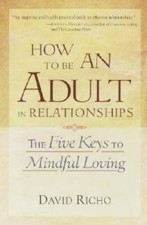
A co-parenting book that covers similar material is useful before the class and as a reference after — many people find that having the framework in writing helps them return to it when a specific conflict arises months later. The class is a starting point, not an endpoint.
What you actually get out of it
The tangible takeaway is usually a set of communication agreements that both parents have technically committed to, even if informally. The framework for future conversations with your ex about the children. And the specific ability to say "I'm trying to use what I learned in the class" as a de-escalation when a conversation starts to go wrong.
The less tangible but equally real takeaway is that someone who does this professionally has looked you in the eye and told you that what happens next for your kids depends more on how you behave toward their other parent than on the fact of the divorce itself. That reframing — away from "the divorce hurt them" toward "our behavior can either help or hurt them going forward" — shifts agency in a direction that's actually useful.

What I'd skip
I'd skip treating it as a box to check. The parents who get the least out of it are the ones who sit in the back, scroll their phones, and file the certificate with their attorney. The parents who get the most out of it ask questions, actually listen to the information, and go home thinking about which of the three things they heard they're going to try this week.
The honest bottom line: nobody wants to sit through a parenting class in the middle of a divorce. But the alternative — figuring it out by trial and error on your actual children over the next decade — is significantly more expensive in every sense of that word. An hour or two with people who study this for a living is a reasonable investment of your time.
Ready to shop? Compare Relationships across stores → 📚 Or browse relationship & dating guides in Digital Goods →