


Diamond Carat Weight Explained (and the Trick to Watch For)

Carat is the number everyone asks about and the one most easily used to fool you. It's simply a measure of weight — but how that weight is described on a price tag can quietly turn a modest ring into something that sounds far grander than it is.
Get carat straight and you'll dodge the single most common diamond-buying trap.
What a carat actually is
One carat equals 200 milligrams. The word comes from "carob" — the bean from a Mediterranean tree that was once used as a tiny, consistent counterweight; a stone that balanced one carob bean was "one carob," which became one carat. In the Far East, where carob didn't grow, four grains of rice did the same job — which is why you'll still hear a one-carat diamond called "four grains." Most diamond purchases, by the way, are well under a full carat — around a third of a carat is the popular sweet spot.
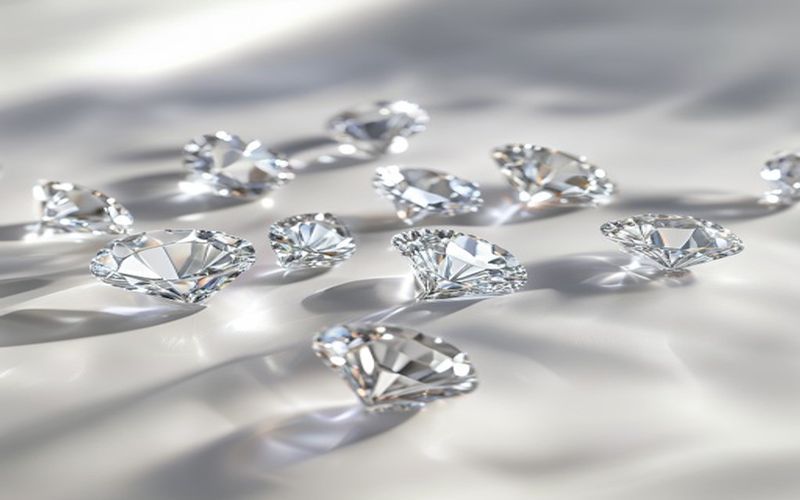
The "carat total weight" trick
Here's the one to watch. When a piece of jewelry holds more than one stone, the tag often lists CTW — Carat Total Weight — the combined weight of every stone in the piece. It does not tell you the size of the center stone. A ring advertised as "1 carat total weight" might be a small center diamond surrounded by tiny accent stones, not a one-carat solitaire. Always ask for the carat weight of the center stone specifically when shopping a diamond engagement ring with multiple stones.
Why bigger isn't automatically better value
Carat weight rises faster than size on your finger, and prices jump at the "magic" round numbers (1.00, 2.00 ct), because those headline weights command a premium. A 0.90-carat stone can look nearly identical to a 1.00-carat one for noticeably less money. And weight means nothing without cut — a heavy, poorly-cut stone can look smaller and duller than a lighter, well-cut one.
What I'd skip
Skip fixating on hitting a round carat number — buy just under it and pocket the difference. Skip judging a multi-stone piece by its CTW; get the center-stone weight in writing. And skip chasing carats at the expense of cut, which is what actually makes a diamond sparkle.

The honest answer
Carat is just weight — 200 milligrams to the carat — and the only trap is the "total weight" sleight of hand on multi-stone pieces. Buy slightly under the magic numbers, always ask the center-stone weight, and let cut, not carat, lead your decision. You'll get a ring that looks bigger and brighter than its price suggests.
Ready to shop? Compare diamond engagement ring across stores →


