گوجه فرنگی در گلدان در مقابل گوجه فرنگی درون زمینی در آب و هوای خنک
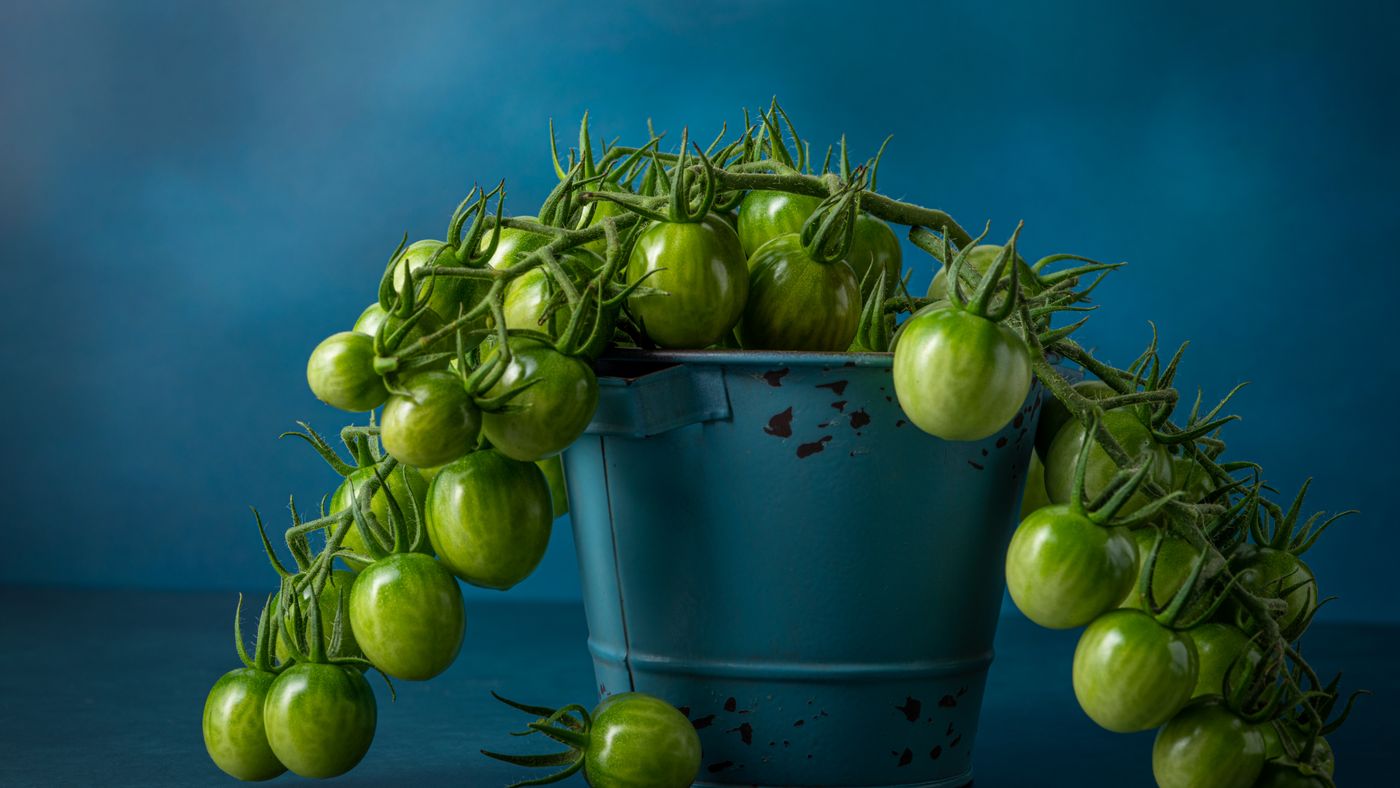
سه فصل رشد همان گونه گوجه فرنگی (گیلاس Sungold) در گلدان های 10 گالنی و در یک بستر مرتفع به فاصله دو فوت از هم، کمپوست یکسان، برنامه آبیاری یکسان. گلدان ها زود برنده شدند. مسابقه درون زمینی تا اوت برنده شد. در اینجا دلیل و کدام یک شرط بندی می شود.
کاری که گلدان ها بهتر انجام دادند
گرمای اوایل فصل یک سیاه قابلمه پارچه ای 10 گالن در یک پاسیو رو به جنوب 5 تا 8 درجه سانتیگراد سریعتر از تخت بلند من در آوریل گرم شد. ریشه های گوجه فرنگی می خواهند خاک در دمای 18 درجه سانتیگراد به شدت رشد کند. گلدان ها در اواسط آوریل، تخت تا اواسط ماه مه. گیاهان گلدانی دو هفته قبل تا ژوئن تمیز بودند.
کنترل کنید. خاک گلدان هر چه در آن بریزید است. یک کیسه تازه از مخلوط گلدانی گوجه فرنگی با اضافه شده ریخته گری کرم و یک پاشیدن از کود گوجه فرنگی در کاشت کامل بود بدون مشکل pH غافلگیر کننده، بدون لایه رسی شش اینچی پایین، بدون علف های هرز چند ساله.
دوری از آفت. گیاهان گلدانی در پاسیو از مشکلات کرم بریده و حلزون که در ماه مه به بستر داخل زمین من برخورد کرد، فرار کردند. مرتفع ظروف دور از دسترس هستند
جایی که در زمین گرفتار شد و جلوتر رفت
حجم ریشه تا ماه جولای گیاهان داخل زمین من سیستم ریشه ای داشتند که احتمالاً چهار فوت عرض و عمق داشتند. گیاهان گلدانی قبلاً بودند ریشه دار در ظرف 10 گالن هنگامی که به ریشه متصل می شوید، رشد متوقف می شود و شما در یک نبرد دائمی آب می جنگید.
تقاضای آب یک گلدان 10 گالنی در 30 درجه سانتیگراد گرمای جولای نیاز به آبیاری روزانه دارد، گاهی اوقات دو بار در روز. بستر داخل زمین در عمق 12 اینچ به مدت 3-4 روز مرطوب می ماند زیرا اطراف خاک به عنوان یک مخزن عمل می کند. در یک هفته تعطیلات، گیاهان گلدانی من از تشنگی مردند. تخت داخل زمین شانه هایش را بالا انداخت.
بازده کل شمارش نهایی پس از سه فصل: داخل زمین تولید تقریباً 2 برابر گوجه فرنگی گیلاسی در هر بوته. سرب اولیه گلدان ها واقعی بود اما گیاهان داخل زمین تا ماه اکتبر به تولید خود ادامه دادند. گلدان ها در ماه اوت سوختند.

کاری که من واقعا انجام می دادم
هر دو را اجرا کنید. 2-3 بوته را در گلدان برای برداشت زودهنگام (اول تیرماه) شروع کنید گوجه فرنگی پس از یک زمستان طولانی احساس برنده شدن در قرعه کشی کنید)، و 4-6 گیاه را برای محصول اصلی در زمین قرار دهید. گلدان ها می توانند در اولین یخبندان برای یک ماه دیگر با رسیدن آهسته داخل شوند.
اگر فقط برای یکی فضا دارید: گلدان اگر بالکن کوچک دارید یا حیاط ندارید، اگر یک تخت باغ واقعی دارید در داخل زمین. الف کیت تخت باغچه بلند شکاف را پر می کند - حفظ رطوبت در سطح بستر با کنترل خاک در سطح گلدان.
انتخاب تنوع بیشتر از ظرف مهم است
گوجه فرنگی های معین (از نوع بوته ای) برای گلدان طراحی شده اند. انواع مشخصی مانند Bush Goliath، Patio Choice، و شکلات تاسمانی در ارتفاع 3-4 فوتی قرار می گیرند و پراکنده نمی شوند. گونه های نامشخص (گوجه گیلاسی هایی که من پرورش می دهم) در گلدان سخت می شوند و جدی می خواهند قفس گوجه فرنگی نگه داشتن
اگر به گلدان ها متعهد هستید، تعیین کننده ها را انتخاب کنید. اگر به داخل زمین می روید، نامشخص برداشت های طولانی تری به شما می دهد.
تنظیمات آب و هوای فصل سرد
من در تورنتو هستم. آخرین یخبندان حدود 15 می، اولین یخبندان است اواسط اکتبر. این یک پنجره گوجه فرنگی تنگ است. دو ترفند که آن را گسترش می دهد:
A پوشش ردیف شناور در 3 هفته اول پس از کاشت روی بستر داخل زمینی. 3-4 درجه سانتیگراد اضافه می کند، به شما امکان می دهد یک هفته زودتر با خیال راحت بکارید.

A گلخانه پیاده روی برای گلدان در آوریل و دوباره در اواخر سپتامبر. 4-6 هفته از فصل رشد را در هر دو طرف برای شما می خرد. پی وی سی های ارزان قیمت 80 دلار برای یک فصل خوب کار می کنند - در باد زمستانی از هم می پاشند، بنابراین برنامه ریزی کنید که جایگزین کنید.
از چه چیزی بگذریم
خود آبیاری ظروف برای گوجه فرنگی منطقه ریشه مرطوب ثابتی که آنها ایجاد می کنند به طور خاص باعث پوسیدگی ریشه در گوجه فرنگی می شود. گوجه فرنگی یک چرخه تر و خشک می خواهد. گلدان های خود آبیاری برای گیاهان عالی هستند، برای گوجه فرنگی مضر هستند.
گوجهفرنگی وارونه «تاپسی توروی». کاشت کار. آنها یک حقه هستند. گوجه فرنگی ها رشد می کنند زیرا گرانش چیزی است که ساقه ها برای آن طراحی شده اند. کاشت های وارونه با گیاه مبارزه می کنند و عملکرد کمتری نسبت به گلدان معمولی دارند.
گلخانه های گران قیمت گرم برای مسکونی آب و هوای خنک در حال رشد ریاضی کار نمی کند - شما 400 دلار برای گرم کردن هزینه می کنید تا 80 دلار گوجه فرنگی اضافی دریافت کنید. یک روکش ردیفی و یک قاب سرد 80٪ از سود را برای 5٪ از هزینه ارائه می دهد.
پس از سه سال، پاسخ صادقانه من به "گلدان یا آسیاب؟" است "هر دو، و شروع آنها را تحت پوشش." را اوایل در مقابل دیر اگر فضایی برای هر دو تنظیم داشته باشید، مبادله خود به خود حل می شود. تا زمانی که فصل را به درستی شروع کنید، گوجه فرنگی در آب و هوای خنک گیاهانی بخشنده است.
برای خرید آماده اید؟ مقایسه کنید خانه و باغ در سراسر فروشگاه ها → 📚 یا مرور کنید راهنمای خانه و باغ در کالاهای دیجیتال →