The Best Hypoallergenic Dog Breeds for Allergy Sufferers

For millions of people, loving dogs and being allergic to them are painfully compatible facts. The good news is that a dog is not necessarily off the table. So-called hypoallergenic breeds produce far fewer of the allergens that trigger reactions — and for many sufferers, the difference between a shedding breed and a hypoallergenic one is the difference between constant misery and a comfortable home. Here's how they work, which breeds to consider, and the one big trade-off nobody warns you about: they need more grooming, not less.
What "hypoallergenic" actually means
No dog is 100% allergen-free — the term is relative. What makes a breed hypoallergenic is that it releases fewer allergens into the air and onto surfaces. That happens a few ways: the coat doesn't shed (so loose, dander-coated hair doesn't fly around), the dog has no dense undercoat, or it sheds fewer dead skin cells (dander), which is the real allergy culprit. Less shedding and less dander means fewer particles in the air, which means fewer allergy attacks. The hair that would normally drop out instead just keeps growing — which is exactly why these breeds need diligent grooming.
Match the breed to your living space
Many hypoallergenic dogs are small or medium breeds, and size should factor into your choice as much as the coat. Smaller dogs generally suit apartments — they bark less, need less room, and are easier to manage indoors. Larger hypoallergenic breeds want a yard to run in. Think honestly about your home before you fall for a particular dog.
Irish Water Spaniel — one of the larger hypoallergenic options. It has short, almost human-like hair that minimizes airborne allergens, needs grooming roughly every two months, and is a friendly, energetic dog that loves to exercise and swim in warm weather. A good fit if you want a bigger dog and have the space.
Soft Coated Wheaten Terrier — comes in several varieties that differ mainly in size. Its short coat sheds little, but it needs regular grooming to prevent clumping and skin rashes. Exceptionally friendly and people-loving, it's not an apartment dog — it wants a backyard to run and bark in. Great for an active household with outdoor space.
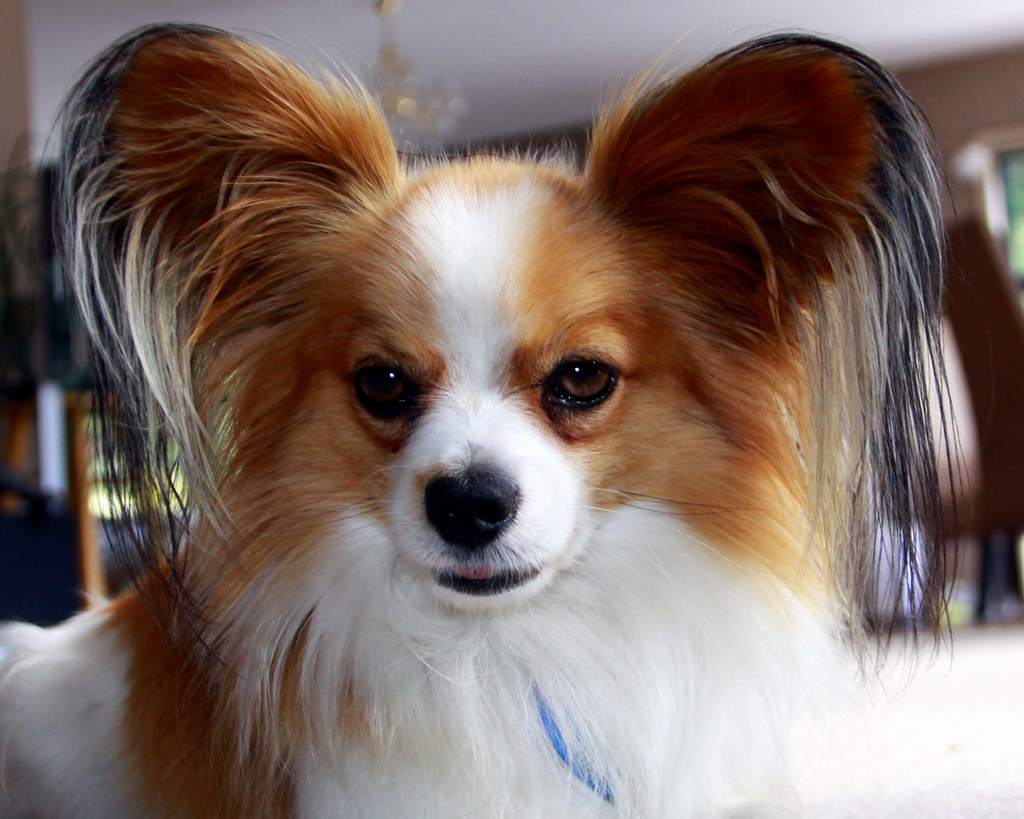
Bedlington Terrier — smaller than the other two, with a short coat that needs brushing a few times a week to prevent tangling and grooming every three to four months. Energetic but well-suited to apartments and small homes, making it a strong pick for allergy sufferers in tighter spaces.
These three are popular, but they're far from the only choices — Poodles, Bichon Frises, Maltese, Portuguese Water Dogs, and several Schnauzer sizes are also widely loved by allergy sufferers. The key is matching coat, size, and energy to your life. If anyone in the home has serious allergies, spend time around the specific breed before committing.
The catch: more grooming, not less
Here's the part that surprises new owners. Because hypoallergenic dogs don't shed most of their hair, it keeps growing — and without regular grooming it mats. Matting isn't just unsightly; tight mats pull the skin, trap moisture, and cause rashes and infections that ultimately have to be cut out. So the very trait that helps your allergies (no shedding) commits you to a consistent grooming routine. Plan for it from day one.
That means investing in the right kit: a quality slicker brush and comb for the coat type, a dematting tool for the tangles that slip through, and a gentle dog shampoo for the regular baths these coats need. Many owners also book a professional groom every couple of months. A good dog grooming kit for at-home upkeep between professional visits keeps the coat — and your allergies — under control.
Reduce allergens beyond the dog
The breed does most of the work, but you can stack the odds further. Keep the dog off the bed, vacuum often with a pet hair vacuum or HEPA model, wash the dog's bedding regularly, and consider an air purifier in the rooms where you spend the most time. Bathing and grooming the dog on schedule keeps dander down at the source.
No guarantees — test your own reaction first
One honest caveat that's worth more than any breed list: "hypoallergenic" is about probability, not certainty, and allergies are deeply individual. Two people with dog allergies can react completely differently to the same dog, because the specific protein you're sensitive to (found in saliva, urine, and dander, not just hair) varies in amount from dog to dog — even within a breed. That means the only reliable test is direct exposure. Before committing, spend real time around the specific breed, ideally the individual dog, over several visits, and see how your body responds. Be especially cautious with the popular "doodle" hybrids (Labradoodles, Goldendoodles, and the like): because they're crosses, coat type and shedding vary unpredictably from puppy to puppy, so a doodle is not automatically hypoallergenic the way a purebred Poodle's coat reliably is. If allergies in the household are severe, talk to an allergist too — managing expectations up front saves the heartbreak of having to rehome a dog later.
What I'd skip
Skip assuming "hypoallergenic" means no grooming — it means the opposite. Skip a large, high-energy hypoallergenic breed if you're in an apartment with no yard. Skip committing before testing your reaction to the specific breed if allergies are severe. And don't skip the grooming schedule once you've got the dog; matting and skin problems follow fast.
The honest answer
Hypoallergenic breeds make dog ownership genuinely possible for many allergy sufferers — they shed less hair and dander, putting fewer triggers in the air. Choose one whose size and energy fit your home, commit to the regular grooming their non-shedding coats demand, and reduce allergens around the house as well. Get those right and you get the dog you thought you couldn't have, without paying for it in sneezes.
Ready to shop? Compare dog grooming kit across stores →