

After Grooming School: The Actual Career Options Nobody Maps Out for You

Dog grooming programs tend to teach technique and not much else. What you're going to do with that technique the day after graduation — and the specific steps between "I have a certificate" and "I have clients and income" — gets left mostly to the graduate to figure out. Having watched a few people navigate that transition, here's an honest map of the options.
The employed path: salon work and veterinary settings
The quickest route to income after graduation is employment — either at a pet salon, a boarding kennel, or a veterinary office. Salons and kennels hire bathers and groomers at different pay levels. A bather prepares dogs for the stylist: brushing, bathing, drying. A groomer does the full service including cuts and styling. Most salons prefer new graduates to start as bathers while they build speed and consistency, then promote from within as skills sharpen.
Veterinary offices and animal shelters also hire groomers, often with more varied work and sometimes better benefits. The environment is more complex — animals that are stressed, sick, or recovering — which makes it better preparation for handling difficult cases but harder as a first job right out of school.
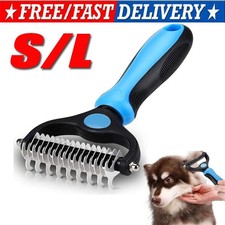
To work effectively in any employed setting, a professional dog grooming kit with quality tools that you own is worth the upfront investment. Many groomers buy their own scissors and clippers even when the salon supplies basics — the quality difference shows in the work.

The mobile path: lower overhead, more logistics
Mobile grooming — a van or trailer with equipment, coming to clients' homes — has become increasingly popular because the convenience factor commands a price premium and the overhead is lower than a physical salon. The catch is that a functioning mobile grooming setup requires a reliable vehicle, a properly equipped grooming unit, and the organizational discipline to manage scheduling, routes, and equipment maintenance alone.
The startup cost for a properly equipped mobile grooming van setup is substantial. But the ongoing costs are predictable, and client retention for mobile groomers tends to be high because the service is genuinely more convenient for most pet owners. If you're organized and prefer independent work, this path has real upside.
Specialty roles: handlers, trainers, show preparation
Grooming training creates a foundation for several adjacent careers. Dog show handlers and handler assistants work with breed-specific grooming in a competitive context. Show preparation grooming is its own skill set — the difference between a correct Poodle Continental clip and an acceptable one requires practice and mentorship beyond initial certification. This is a niche with genuine demand and high standards.
Some groomers move into training roles — either teaching grooming at a school or moving into dog training itself, where the handling skills from grooming provide a practical advantage. The paths aren't as separate as they seem in school.

The ownership path: salon or mobile business
Running your own grooming business is achievable but requires skills grooming school doesn't cover: pricing, marketing, client communication, accounting, staff management. Most successful salon owners worked for someone else for two to five years first, understanding how a functioning operation works before building their own. The shortcut to ownership without that experience tends to produce expensive lessons about business fundamentals at the worst possible time.
What I'd skip
I'd skip the idea that a grooming certificate alone creates clients. The technical skills are necessary but the business of finding and keeping clients is a separate skillset that has to be developed deliberately. Start employed, build a reputation and client relationships, then explore independent or ownership paths from a position of experience rather than a standing start.
Ready to shop? Compare Pets across stores →