

Clipping Your Dog's Coat at Home: What to Know Before You Start

Clipping a dog sounds like a mechanical task — point, press, move. It is that, but the gap between a decent home clip and an accidental skin injury or a coat that grows back damaged is mostly knowledge about what to avoid and why. Here's what's worth understanding before you pick up a clipper for the first time.
Not every coat should be clipped
The most important thing many home groomers don't know: double-coated breeds — Huskies, German Shepherds, Golden Retrievers, Shelties, Collies — should generally not be clipped. The double coat serves as insulation in both heat and cold. Shaving it disrupts the coat structure in ways that can cause it to grow back with incorrect texture, sometimes permanently. The coat loses its ability to regulate temperature effectively. For these breeds, brushing out the undercoat during shedding season is the right approach, not clipping.
Breeds that should be clipped — Poodles, Schnauzers, Bichons, most doodle crosses, many terriers — have single-layer continuously growing coats that require trimming to stay manageable. These are the appropriate candidates for a dog clippers for home grooming investment.
Blade choice and coat health
Clipper blades are numbered — higher numbers mean closer cuts, lower numbers leave more coat length. A #7 or #10 blade is appropriate for a close body clip on most small breeds. A #4 or #5F leaves significantly more length and is a better starting point for someone learning on their own dog, where a mistake that leaves too much is easier to correct than one that leaves too little.

Blunt blades don't cut cleanly — they pull and drag, which hurts and produces an uneven, damaged-looking coat. A clipper blade sharpening kit keeps blades functional. Alternatively, blade replacement is inexpensive and clean blades are the most important equipment variable in home clipping quality.
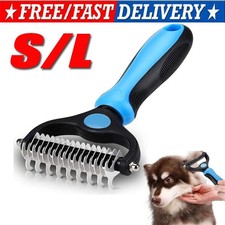
Clipping a matted coat directly with a clipper often produces skin injuries. The mat holds the coat taught in unpredictable ways, and the blade can follow the mat into the skin rather than along the surface. If there are significant mats present, work them out with a dematting tool before clipping, or let a professional handle the initial recovery session.
Cold weather and close clipping
Clipping a dog very close during winter removes the coat's insulating layer. For dogs that spend time outdoors, a close clip in cold weather creates real cold stress. Leave more coat length in winter on dogs that go outside — the aesthetic preference for a very short clip can wait for spring. A dog sweater helps compensate, but it's not a complete substitute for coat insulation during extended outdoor time.
Nail and skin safety
Around the paws and face, switch to small curved scissors rather than clippers — you have more control around sensitive areas. The skin around the paw pads and between the toes is thin and close to the surface. A clipper that slips while working on a leg is much more likely to cause injury than careful scissor work in tight spaces.

Never clip a dog when it's ill, injured, or in obvious stress. An animal that's not feeling well, or that's flinching and pulling, changes position unpredictably in ways that lead to accidents.
What I'd skip
I'd skip attempting a full clip on a dog that's never been clipped before without a professional groomer doing at least the first one and showing you what the finished result should look like. It's much easier to maintain a professional clip at home than to establish one from scratch. I'd also skip clipper brands at the bottom of the price range — the motor inconsistency and heat buildup are noticeable quickly in actual use.
Ready to shop? Compare Pets across stores →