

Dog Grooming That Actually Fits the Breed: Where to Start

The first dog I ever groomed was a rescue Border Collie, and I approached it the same way I'd seen my neighbor handle her Shih Tzu. That went about as well as you'd expect. Grooming is genuinely breed-specific in a way that's easy to underestimate — the coat type, the skin sensitivity, the frequency needed, the tools that help versus the ones that cause problems. Here's the framework I eventually worked out.
Step one: actually learn your specific breed's coat type
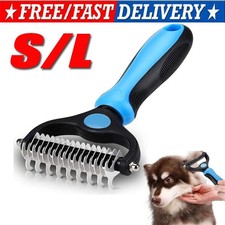
Not "long-haired" versus "short-haired" — that's too blunt. There are wiry coats, silky coats, double coats, single coats, curly coats, and combinations. Each behaves differently, mats differently, and responds to different tools. A wire-coated terrier needs hand-stripping or a specific type of stripping comb to maintain texture properly — using a regular slicker brush will soften the coat over time. A double-coated breed like a Husky or Malamute needs an undercoat rake for dogs during shedding season, not a standard brush that barely reaches the underlayer.
The best ten minutes you can spend is reading a breed-specific grooming guide before you buy any supplies. The coat requirements should influence your grooming kit, not the other way around.
Step two: build the routine before you need it
The common grooming failure pattern is waiting until there's a visible problem — mats, dirty nails, ear debris — before doing anything. That means every grooming session becomes a corrective one rather than a maintenance one, which is stressful for the dog and unpleasant for the owner. If a breed needs brushing three times a week to stay mat-free, doing it three times a week is much faster and easier than dealing with a tangled coat once a month.

A basic dog grooming starter kit with a slicker brush, comb, nail clippers, and ear cleaning solution handles most maintenance needs across most breeds. Start using everything before it's urgently needed so the dog learns the routine is normal rather than something that only happens when something's wrong.
Step three: invest in the right tools for your actual dog
Cheap nail clippers that crush rather than cut create nail-cracking and discomfort that makes nail sessions a battle. A quality dog nail clippers with safety guard is worth more than the few dollars saved. Same principle with brushes — a brush designed for fine coats used on a thick double coat is just moving surface hair around without doing anything useful. Match the tool to the coat type.
The tools worth having for most owners: a slicker brush suited to the coat type, a metal comb to check for hidden tangles after brushing, nail clippers, ear cleaning solution and cotton balls, and a dog-formulated shampoo and conditioner pair. Everything else is optional until you identify a specific need.

Step four: groom at home between professional appointments
Professional grooming for most coat types runs every six to ten weeks. Everything between those appointments — light brushing, nail checks, ear inspection, wipe-downs after muddy walks — happens at home. This isn't optional if you want the dog to arrive at the groomer in manageable condition rather than so matted that the only option is a full clip. The home work is also when you catch early problems: a lump, a rash, an ear that smells wrong, a nail that's cracked. Regular handling means nothing unusual gets missed for three months.
What I'd skip
I'd skip buying a full grooming setup before you understand your specific dog's coat. The aisle at the pet store is full of products marketed to every dog, most of them generic. Know your breed, buy what it actually needs, and add specialized tools if a specific problem appears. And skip skipping the routine — irregular grooming is more work overall, not less.
Ready to shop? Compare Pets across stores →